


Many manufacturing engineers and procurement managers keep struggling with unstable dimensional accuracy, short service life, frequent surface defects and high post-processing costs when choosing customized metal structural components. Most buyers only focus on unit price and delivery time, yet overlook core hidden quality risks that directly cause assembly mismatches, equipment downtime and long-term operation losses. Professional aluminum alloy die casting components break through these pain points by adopting mature integrated die-casting technology, strict material grading and full-process precision control, bringing stable performance that ordinary cast parts cannot match. Unlike low-quality rough castings that seem cheap upfront, qualified die-cast aluminum parts reduce overall production cost significantly while upgrading product reliability and batch consistency. Choosing reliable die casting solutions also avoids hidden safety hazards in mechanical operation, automotive accessories and industrial equipment supporting structures.
Long-term industrial practice proves that uneven wall thickness, internal air holes, shrinkage cavities and loose structures are the most concealed fatal problems of inferior aluminum die castings. These defects cannot be easily detected by simple appearance inspection, but will gradually cause deformation, fracture, air leakage and load failure during high-frequency operation, vibration environment and temperature changes. Ningbo Hongseen Precision Parts Co., Ltd. adopts vacuum die-casting processes and refined mold design to eliminate internal porosity fundamentally, ensuring dense material structure, high compressive strength and excellent shock resistance. Every finished product undergoes multi-dimensional testing before leaving the factory, covering dimensional tolerance, hardness testing, air tightness and salt spray corrosion resistance. Users no longer need to bear unexpected maintenance losses caused by invisible internal defects of cast parts.
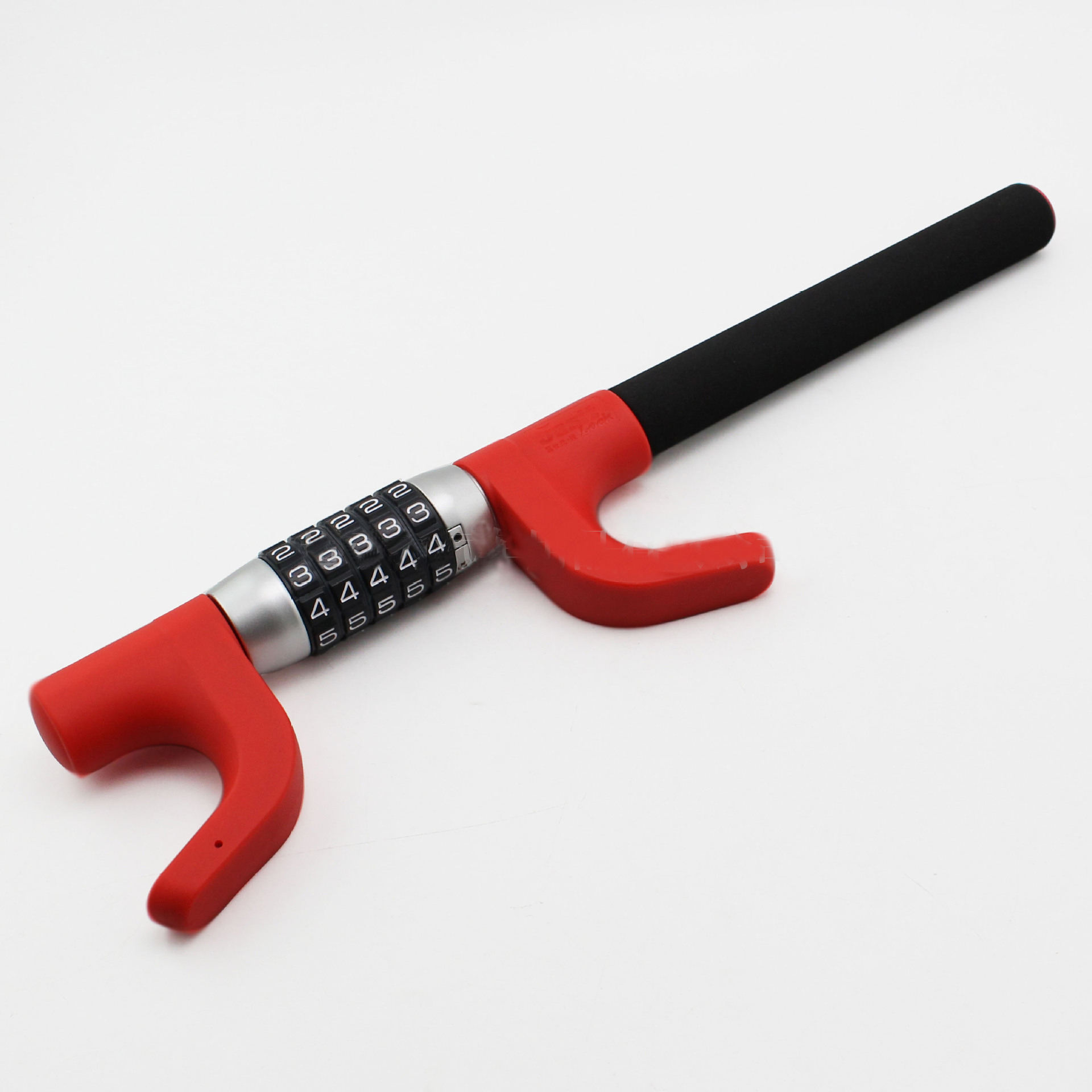
Dimensional matching error remains a frequent troublesome issue for mass assembled products. A tiny deviation in die casting size will lead to tight installation, loose fitting, repeated trimming and scrapped finished assemblies. Bulk customized aluminum die casting parts support ultra-fine tolerance control, matching precise assembly requirements of auto parts, communication housings, motor shells, mechanical brackets and various precision accessories. Integrated molding technology reduces splicing gaps and machining procedures, greatly improving overall structural rigidity and assembly efficiency. Compared with stamping parts and sand casting parts, die-cast aluminum products have far higher shape complexity adaptability, which can produce irregular thin-wall, multi-hole and special-shaped structures in one step.
Corrosion resistance and environmental adaptability are deep demands ignored by most ordinary buyers. Aluminum die castings used outdoors, in humid workshops, chemical environments or automobile chassis positions face continuous oxidation, corrosion and aging problems. Ordinary cast aluminum materials degrade rapidly under high and low temperature alternation, resulting in surface peeling and performance attenuation. Standard high-quality aluminum alloy die castings adopt anti-corrosion material ratio and professional surface treatment processes including anodizing, powder spraying and electroplating. They maintain stable mechanical properties under high temperature, low temperature, humidity and corrosive atmosphere, extending service cycle of finished equipment and reducing frequent part replacement costs.
Many enterprises misunderstand that all aluminum die castings have similar pressure resistance and lightweight performance. In fact, material ratio, mold precision, cooling process and molding pressure directly determine load bearing capacity, weight ratio and fatigue resistance. Unqualified die castings are heavy, brittle and prone to cracking under long-term pressure load, seriously restricting product upgrading and lightweight transformation. Premium die-cast aluminum components achieve perfect balance between lightweight structure and high mechanical strength, effectively helping downstream industries realize energy saving, consumption reduction and equipment lightweight optimization. Reasonable structural design also lowers vibration noise during equipment operation, meeting strict environmental protection and operation stability standards of modern intelligent manufacturing.
Common Problems & Practical Solutions of Aluminum Alloy Die Casting Products
| User Pain Points | Root Hidden Causes | Effective Solutions Provided By Qualified Die Cast Parts |
|---|---|---|
| Frequent assembly mismatch | Unstable mold precision, unreasonable tolerance setting | Customized precise tolerance customization, full-size inspection of each batch |
| Internal air holes & air leakage | Traditional ordinary die-casting process, insufficient exhaust design | High-efficiency vacuum die-casting, optimized mold exhaust channel design |
| Easy deformation & fracture | Loose internal structure, improper alloy ratio | High-density molding, standard aluminum alloy formula matching application scenarios |
| Short anti-corrosion service life | Lack of professional surface treatment, poor material stability | Anodizing, passivation, spraying multi-layer anti-corrosion protective coating |
| High secondary processing cost | Rough molding surface, large machining allowance | Near-net shape die casting, smooth surface directly usable after simple finishing |
| Unstable batch quality | No standardized production process, random quality inspection | Whole-process quality traceability, unified process parameters, batch unified testing |
Lightweight aluminum alloy die casting has become mainstream supporting parts in automobile manufacturing, new energy equipment, intelligent machinery, communication base station accessories and household electrical structural components. Its low density, high thermal conductivity, good heat dissipation performance and easy secondary processing characteristics fully meet diversified industrial application scenarios. Reasonable selection of die casting materials and customized molding schemes can greatly improve product competitiveness, reduce overall production cycle and avoid repetitive after-sales quality disputes.
Practical production experience shows that blindly pursuing low unit price will bring continuous hidden losses. Unqualified die cast parts cause assembly delay, equipment failure, after-sales maintenance and brand reputation damage, far exceeding the price difference between high-quality and inferior products. Long-term stable cooperation with professional die casting manufacturers helps enterprises control quality source, optimize product structure and obtain cost advantages in long batch production. Standardized die casting production strictly follows national industry standards, guarantees material authenticity, process standardization and delivery stability, and truly solves deep-seated structural, matching and durability problems that plague manufacturing enterprises for a long time.